


Florida Traffic Controls - Quick Reference Guide
Updated: Jul 22
Pavement Markings
Road markings help direct traffic safely. Drivers should always obey lane markings, symbols, and
traffic signs.
Edge Lines
• Solid White Line: Marks the right edge of the roadway.
• Solid Yellow Line: Marks the left edge of divided highways or one-way streets.
White Lane Lines (Same Direction Traffic)
• Broken White Line: You may change lanes when it is safe.
• Solid White Line: Lane changes are discouraged except to avoid a hazard.
• Double Solid White Lines: Do not cross or change lanes.
Yellow Lane Lines (Opposite Direction Traffic)
• Broken Yellow Line: Passing is allowed when safe.
• Double Solid Yellow Lines: No passing in either direction.
• Solid on Your Side / Broken Opposite: Passing is NOT allowed for you.
• Broken on Your Side / Solid Opposite: Passing IS allowed when safe.
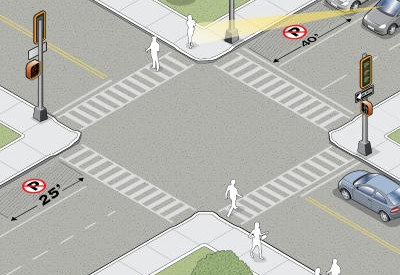
Stop Lines & Crosswalks
Stop before the white stop line at red lights or stop signs. Always yield to pedestrians in marked
crosswalks.
Turn Lanes
Follow the arrows painted on the roadway. Center turn lanes are for left turns only and should never
be used for passing.
Reversible Lanes
Some lanes change direction during certain hours. Always obey overhead signals and lane control
signs.
Bicycle Lanes
Do not drive in bike lanes except when turning where permitted. Yield to bicyclists and watch for
shared-lane markings (sharrows).
Safe Driving Reminder
Always pay attention to road markings. They are designed to reduce crashes and keep all road
users safe.


Comments